Skip to content

Windsor / Wisconsin

AI Answering for Windsor law firms.

For a law firm serving Windsor, an unanswered call is an intake decision waiting to be made. Bosseo AI Answering is presented as a safety net: your team receives the first ring, and the system can step in when nobody answers within 20 seconds. It is designed to capture case details, contact information and a call record for review. The practical question is not whether Windsor’s population guarantees more calls. The question is whether your firm’s current response path gives each caller a clear next step.

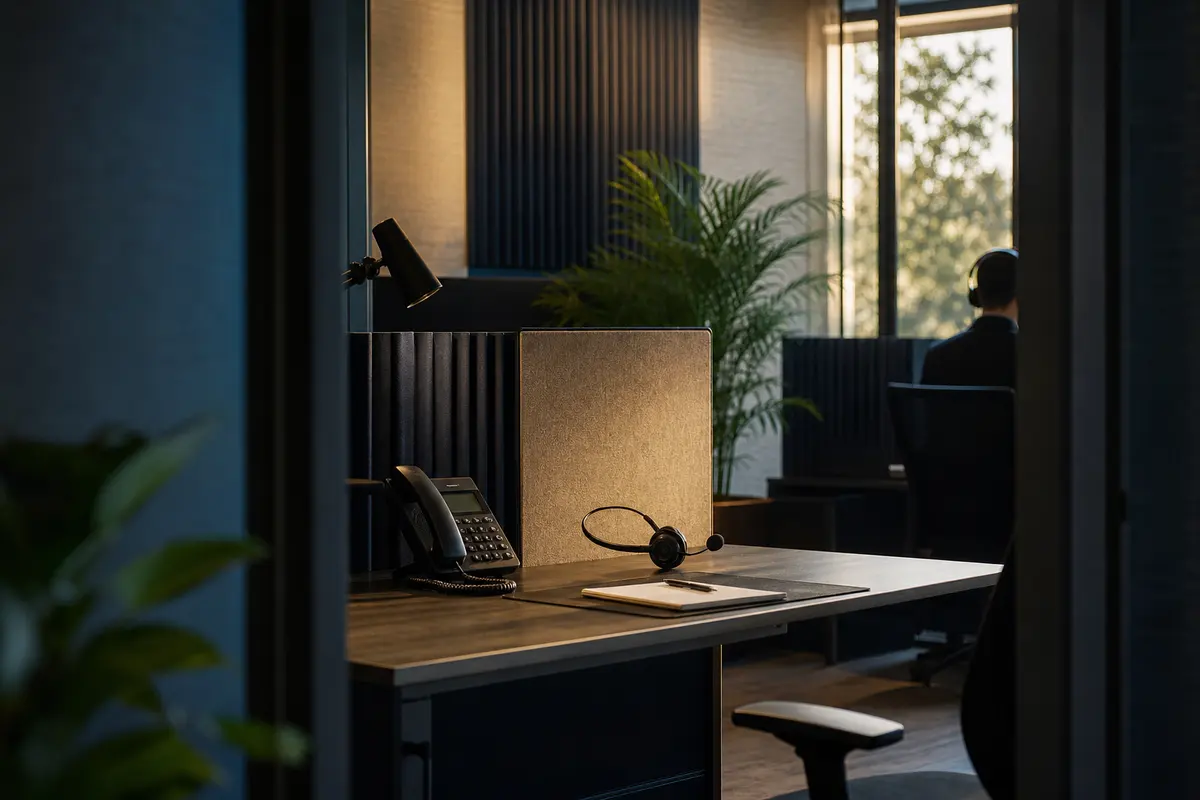
Editorial intake planning scene for AI Answering in Windsor, Wisconsin

Local analysis

Use a consultation to examine your actual phone coverage, intake questions, escalation rules and follow-up ownership. Windsor village is a municipality in Dane County with a 2020–2024 ACS 5-year population estimate of 9,452, but that figure does not establish call demand, legal need, competition or revenue. Your firm’s call records and operating decisions should determine whether AI Answering fits.

Evaluate AI Answering as an operating decision, not as a population-based forecast. The relevant evidence is how your firm receives calls, what callers need to communicate, who owns the next action and whether the resulting records support responsible follow-up.

01

Start with Windsor’s actual service boundary

Windsor village is recorded in Dane County, Wisconsin. That geographic fact can help you define which callers belong in the firm’s intake path, but it does not establish how many people will call or which matters they need. If your firm serves Windsor and a wider Dane County area, the answering experience should not imply a narrower service boundary than you actually accept. Review how the firm identifies service location, county, court location and consultation eligibility during a call.

Recommended approach

Bring your intended service geography to the consultation. Decide which location questions belong in the first conversation, which callers should be routed for attorney review, and which matters need a clear explanation that the firm may not serve them. Measure completed calls and qualified follow-up by geography rather than treating the municipal population as a forecast.

02

Give missed calls a defined next step

Bosseo describes AI Answering as 24/7 call coverage for nights, weekends, holidays and overflow. Its public product page says calls ring the firm’s team first and that the AI steps in when nobody answers within 20 seconds. For a Windsor firm, this makes the handoff rule more important than a generic promise of availability: the firm must decide what the system should capture when the office is closed, a line is busy or staff cannot respond.

Recommended approach

Map your current phone path from first ring through callback. Identify when the AI should answer, what counts as urgent, who owns the next response and how the team will see the resulting summary. Treat the 20-second rule as a configuration point to review, not as a substitute for an agreed ownership policy.

03

Capture legal context without giving legal advice

Bosseo says its system guides callers through their situation and captures case type, timeline and contact details. The public page also describes full transcripts, case summaries and caller information after a call. Those records can help a Windsor-serving firm understand what needs attention, but intake questions must remain separate from legal advice, eligibility decisions and attorney judgment. A caller’s location in or around Dane County may be relevant to follow-up, but it does not by itself establish representation or a viable matter.

Recommended approach

Review every proposed intake question with the people responsible for ethics, conflicts, confidentiality and client communications at your firm. Define what the system may collect, what it should not answer, when it should direct a caller to the firm, and how the team distinguishes a potential new client from a current client or another call type.

04

Make urgent calls visible to the right owner

Bosseo states that calls are automatically classified as Potential New Client, Current Client or Other, and that conversations can be tagged by practice area. Its example materials describe summaries that surface urgency for team review. Classification is useful only when someone has responsibility for acting on it. A Windsor caller with an urgent issue and a caller seeking routine information should not enter the same unowned queue.

Recommended approach

Set written ownership rules for each classification and practice area. Decide who reviews urgent summaries, during which operating periods, and what callback record confirms that the next step occurred. Review the rules with counsel rather than assuming a label alone creates a response obligation.

05

Use transcripts to improve the live intake team

Bosseo describes an Intake Coach that analyzes calls, including calls answered by the firm’s team, and provides coaching on missed questions, tone and lost conversions. That capability points to a specific operational review: compare what the firm wants to learn on a call with what callers actually provide. Do not infer that Windsor’s population creates a particular language preference, staffing need or call pattern; examine the firm’s own conversations instead.

Recommended approach

Choose a small set of intake behaviors to review, such as whether the caller’s contact details, matter type, timeline and location were captured. Decide how feedback reaches the people answering calls and how the firm will protect confidential information while reviewing transcripts. Track changes in process adherence, not an assumed improvement in signed matters.

06

Measure the handoff from call to follow-up

The Bosseo page says caller details, transcripts and tags can be delivered to an inbox or case management system, and describes automatic CRM delivery. That creates a measurement question for a Windsor law firm: where does the record go, who acts on it and how can the firm tell whether the handoff was completed? A population estimate cannot answer those questions, and automation does not establish demand or revenue.

Recommended approach

Define the records your team needs after a call and the status changes that show ownership, callback and disposition. Review whether the proposed destination matches the firm’s existing systems and privacy practices. Use actual call records to assess answer coverage, classification quality, follow-up timeliness and matter outcomes.

Implementation

What to bring to a Bosseo review

A focused consultation is more useful when the firm can describe its real call path and the decisions it has not yet made. Bring the following questions and records where appropriate.

  1. 011. Document the current call experience List your phone numbers, business hours, unanswered-call behavior, busy-line behavior, after-hours coverage and holiday coverage. Note where a caller from Windsor or elsewhere in Dane County enters the same process and where service-boundary questions arise.
  2. 022. Decide what the system may collect Select the approved intake fields, classification rules, practice-area tags and urgency cues. Separate information gathering from legal advice, conflicts decisions and a promise that the firm will accept representation.
  3. 033. Assign every next action Name the owner for each classification and define how urgent calls, current-client calls and potential new-client calls are reviewed. Decide where summaries and transcripts are received and how callback completion is recorded.
  4. 044. Choose measures grounded in your records Review answer timing, calls handled, classification accuracy, transcript delivery, callback ownership and disposition. Compare those measures with your firm’s own baseline; do not use Windsor’s population as a proxy for demand, leads or revenue.

Questions

AI Answering in Windsor

Does AI Answering replace a law firm’s front desk?+

Bosseo describes it as a backstop. Calls go to the firm’s team first, and the AI can answer when nobody responds within 20 seconds. Review your own staffing and routing rules to determine how that handoff should work.

What does the system capture after a call?+

Bosseo says the system can capture case details and contact information, then provide a full transcript, case summary and caller information. The firm should decide which questions are appropriate and how those records are handled.

Can it handle calls outside office hours?+

Bosseo describes coverage for nights, weekends, holidays and overflow. Confirm the coverage path, escalation rules and ownership expectations for your firm before relying on it for urgent or time-sensitive calls.

How are calls categorized?+

Bosseo says calls are classified as Potential New Client, Current Client or Other, with case-type or practice-area tagging described on its public page. Your firm should define what each category means and who reviews it.

Where do transcripts and summaries go?+

Bosseo says they can be delivered to your inbox or case management system and describes automatic CRM delivery. Review the destination, access controls and record-handling requirements that apply to your firm before implementation.

Should Windsor’s population determine whether we buy AI Answering?+

No. Windsor’s 2020–2024 ACS 5-year population estimate is 9,452, with Dane County as the recorded county relationship. That is geographic context, not evidence of call demand, staffing needs, legal need, competition, leads or revenue. Use your call records and operating requirements instead.

Next step

Review your Windsor call path with Bosseo

Book a consultation to examine AI Answering against your firm’s actual routing, intake questions, escalation responsibilities and follow-up records. Bosseo’s public booking destination is calendar.bosseo.com. Use the conversation to decide whether the described coverage and record flow fit a law firm serving Windsor and its chosen Dane County service area.

Book a Bosseo consultation ↗
Sources and scope