Skip to content

Antigo / Wisconsin

AI Answering for Antigo law firms.

A caller in Antigo may reach your firm during office hours, after hours, a weekend or a holiday. Bosseo AI Answering is designed to give missed calls a clear next step: your team receives the first ring, and the system can answer when nobody picks up within 20 seconds. It captures the caller’s situation and contact details, then delivers a transcript and case summary for review. For a firm serving Antigo and Langlade County, the decision is not whether every caller represents a case. It is whether your response path consistently identifies what happened, who needs attention and what your team should do next.

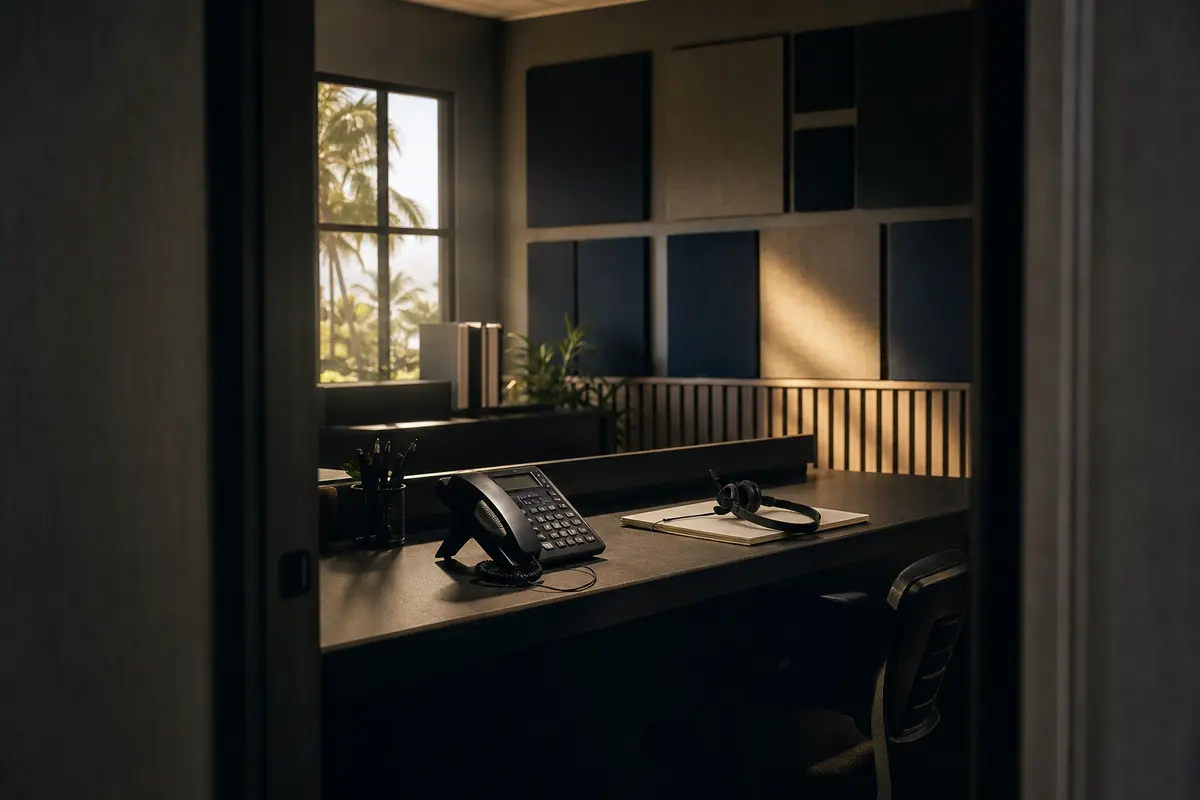
Editorial intake planning scene for AI Answering in Antigo, Wisconsin

Local analysis

Use a consultation to map your current call handling against Bosseo’s stated capabilities: team-first routing, 24/7 coverage, up to 20 simultaneous calls, transcripts, summaries, classification, case-type tagging and intake coaching. Treat Antigo’s population as geographic context—not proof of demand, call volume, staffing need or revenue.

A sensible decision framework separates local context from product fit. Antigo is a city in Langlade County with a 2020–2024 ACS five-year population estimate of 8,069; that establishes geography, not demand. Evaluate AI Answering against your firm’s actual phone path, intake standards, ownership rules and review capacity. Ask what is stated, what is configurable and what your firm must decide.

01

1. Start with Antigo’s actual service area

Antigo is recorded as a municipality in Langlade County, Wisconsin. The 2020–2024 ACS five-year estimate lists 8,069 residents, with a margin of error of 31. That figure describes the city population; it does not establish how many people search for a lawyer, call your office, need a particular practice area or live elsewhere in the county. Your first AI Answering decision should therefore be geographic and operational: which callers do you serve, and which calls should receive the same response regardless of where the caller is located?

Recommended approach

During a Bosseo review, define the locations your firm actually serves and the boundaries your intake team uses. Ask how those boundaries would be reflected in the firm profile and in the questions asked during a call. Do not use the Antigo population estimate to forecast call volume or case value.

02

2. Keep your team on the first ring

Bosseo describes a team-first setup: calls go to your people first, and AI answers when nobody picks up within 20 seconds. That positions the system as a backstop for unanswered calls rather than a replacement for your front desk. The distinction matters when you want staff to handle familiar clients, active matters or callers who need a person immediately, while still giving other callers a structured next step.

Recommended approach

Review your current routing rule, unanswered-call threshold and escalation choices. Decide which calls should remain with staff and what the AI should capture when staff cannot answer. Confirm the proposed configuration during the consultation rather than assuming every call will follow the same path.

03

3. Capture useful intake information

The public Bosseo description says AI Answering greets callers professionally, captures case details and contact information, and produces a transcript and case summary. It also describes automatic classification as Potential New Client, Current Client or Other, plus case-type tagging. These outputs can give your team a consistent record of what the caller said instead of requiring someone to reconstruct a voicemail from memory.

Recommended approach

List the minimum facts your firm needs before returning a call. Include the caller’s identity and contact information, the type of legal issue, timing and urgency where relevant. Ask how your preferred questions, categories and review responsibilities would be handled. Avoid treating a classification as a legal determination or a substitute for attorney review.

04

4. Design the urgent-call response

Bosseo says summaries and classifications are delivered after the call to an inbox or case-management system, and that urgency can be surfaced in the transcript and summary. A summary can organize a callback; it does not itself provide legal advice, create an attorney-client relationship or decide whether a matter is accepted. Your firm still controls the response and conflict, eligibility and engagement decisions.

Recommended approach

Define what your team considers urgent and who reviews those calls. Set a clear callback ownership rule for matters involving deadlines, custody, arrest, injury or other time-sensitive facts if those are within your practice. Ask what information appears in the summary and how your team will distinguish a potential new client from a current client or another caller.

05

5. Plan for simultaneous calls without forecasting demand

Bosseo’s public page states that the system can handle up to 20 simultaneous calls. That is a stated capacity, not evidence that an Antigo firm receives any particular number of calls or needs that capacity. The relevant question is whether your existing phone arrangement, busy periods and overflow rules justify reviewing this capability.

Recommended approach

Bring your phone-system design to the consultation: primary numbers, staff routing, after-hours handling and any existing voicemail or answering arrangement. Ask how simultaneous calls would be handled in your configuration and what your team would receive for each conversation. Do not present the capacity as a prediction of local demand.

06

6. Measure response quality, not just answered calls

Bosseo describes transcripts, summaries, classifications, case-type tags and an Intake Coach that analyzes calls and provides feedback on missed questions, tone and lost conversions. Those capabilities support a review of response quality, but they do not prove that a firm will gain clients, revenue or rankings. Google states that automation does not guarantee crawling, indexing or search visibility; that guidance is relevant when you connect AI Answering to broader marketing expectations.

Recommended approach

Choose review questions before adopting the service: Was the call answered through the intended path? Was the caller classified correctly? Did the summary contain the facts needed for a callback? Was ownership clear? Did the team follow up? Review these questions with Bosseo and establish which information is available to your firm. Keep search visibility and intake response as separate decisions.

Implementation

What to bring to a Bosseo consultation

Use the consultation to examine your response path rather than to accept a forecast. Bosseo offers law-firm marketing, intake, automation, measurement, hosting and custom software services; the AI Answering discussion should stay focused on the capabilities and decisions relevant to your calls.

  1. 011. Describe the current phone path Write down what happens when a caller reaches your main number during office hours, after hours, weekends, holidays and staff busy periods. Include who receives the first ring, where unanswered calls go and who reviews messages.
  2. 022. Define acceptable intake Choose the facts your team needs for a useful callback. Separate information gathering from legal advice, conflict review and the decision to accept or decline representation.
  3. 033. Assign review responsibility Name the role—not an assumed person—responsible for reviewing summaries, identifying urgent matters and deciding the next action. Make the rule work for both Antigo callers and callers from the wider area your firm serves.
  4. 044. Agree on review questions Before booking, decide how you will assess the proposed response path: answer behavior, summary completeness, classification, ownership and follow-up. Keep those measures distinct from unsupported claims about leads, cases, revenue or search rankings.

Questions

AI Answering in Antigo

Does AI Answering replace our front desk?+

Bosseo’s public page describes a team-first model. Calls go to your team first, and AI answers when nobody picks up within 20 seconds. Review the routing details for your phone setup during a consultation.

What does the system provide after a call?+

Bosseo states that the system provides a full transcript, a case summary and caller information, delivered to an inbox or case-management system. Ask which destination and fields would apply to your firm.

Can it handle more than one call at a time?+

Bosseo states that AI Answering can handle up to 20 simultaneous calls. That is a published capacity statement, not a prediction of your Antigo call volume or a promise about your results.

How are calls categorized?+

The public product description says calls are classified as Potential New Client, Current Client or Other, and that conversations receive case-type tags. Your firm should review the categories and decide how staff will act on them.

Can AI Answering identify an urgent legal matter?+

Bosseo says urgency can be surfaced in the transcript and summary. Your firm remains responsible for defining urgency, reviewing the information and deciding how to respond. The system should not be treated as legal advice or a substitute for attorney judgment.

What should an Antigo law firm prepare before a consultation?+

Prepare your current phone-routing map, service-area boundaries, intake questions, escalation rules and preferred destination for call information. Also identify how you want to review classification, summary quality and follow-up.

Next step

Review your Antigo call response with Bosseo

Book a consultation to walk through your current routing, intake questions, escalation ownership and measurement needs. Ask how Bosseo AI Answering’s published capabilities—team-first coverage, 24/7 answering, up to 20 simultaneous calls, transcripts, summaries, classification, tagging and intake coaching—would apply to your firm. The booking destination listed by Bosseo is calendar.bosseo.com.

Book an AI Answering consultation ↗
Sources and scope