Skip to content

Chester / Virginia

Custom Software for Chester law firms.

A Chester law firm does not need custom software merely because a generic tool feels inconvenient. The stronger reason is a specific operational bottleneck that matters enough to examine: repeated data entry, unclear matter status, manual referral tracking, or a disconnected intake process. Bosseo describes its Custom Software service as tools built around a firm’s workflow, including client portals, intake tools and internal dashboards. For a firm serving Chester, Virginia, the first conversation should focus on the work your team performs, the people who need access, the systems involved and the evidence that a proposed tool works as intended.

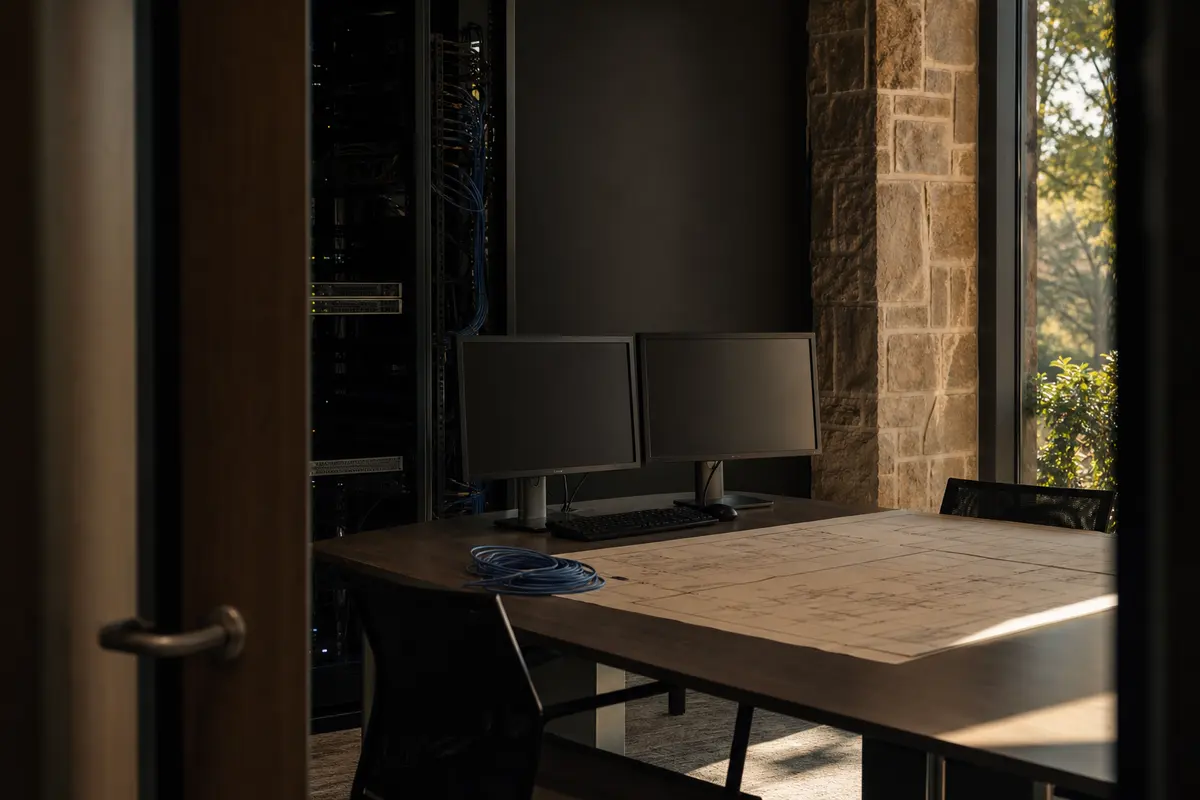
Editorial platform planning scene for Custom Software in Chester, Virginia

Local analysis

Use Chester’s actual service geography to define the workflow, not to assume demand. Bosseo can discuss a possible custom build, but your firm should decide only after reviewing data definitions, permissions, recovery, integrations and acceptance criteria.

A sound decision separates four questions: Is the bottleneck real? Is the data defined? Can the proposed tool operate safely within the firm’s permissions and recovery requirements? Can the firm verify the result? Chester’s population record supplies geographic context only; it should not be used as a substitute for workflow evidence.

01

1. Start with the firm’s real bottleneck

The U.S. Census Bureau records Chester as Chester CDP in Chesterfield County, Virginia, with a 2020–2024 ACS five-year population estimate of 24,474 and a margin of error of 1,608. That figure describes the place; it does not establish legal demand, competition, lead volume or revenue. For software planning, its useful role is geographic: it helps you state whether a workflow concerns Chester itself, the wider Chesterfield County service area, or clients located elsewhere in Virginia. Those are different scopes and should not be blended in a specification.

Recommended approach

Bring one recurring process to the consultation in plain language. Identify who performs it, where information first enters the firm, where it is copied, which decisions depend on it and what happens when a step is missed. Bosseo says its team begins by mapping the bottleneck and designs a tool around the firm’s actual workflow. Ask for a proposed boundary before discussing additional features.

02

2. Define data before discussing screens

A custom tool is only as dependable as the meaning assigned to its fields. An intake record, a prospective client, a matter, a referral and a completed task may be different objects in your firm even when staff use similar words. A Chester inquiry may also be associated with Chesterfield County or another Virginia location, so geographic labels should be defined rather than treated as interchangeable. The population record cannot tell you what information your firm needs to collect; your workflow must supply that answer.

Recommended approach

List each required data element, its source, its owner and its permitted values. Decide which fields are required, which can change, which must be retained and which should never be duplicated. Ask Bosseo to reflect those definitions in the proposed scope and to explain how the tool would identify incomplete, conflicting or stale information.

03

3. Test reliability and recovery assumptions

Bosseo’s public Custom Software page says it hosts and maintains the tools it builds, and describes hosting on dedicated servers with monitoring and backups. That statement does not establish a particular uptime level, recovery time, recovery point, security standard or legal-record retention policy. Those details matter when software touches intake, client communications, documents or internal matter information. They should be confirmed for the proposed build rather than inferred from the service name.

Recommended approach

Ask what happens when a user enters incorrect data, a connection fails, a service is unavailable or a record needs to be restored. Document the recovery objectives your firm requires, the responsibilities of each party, the retention approach and the process for testing restoration. Acceptance should include failure scenarios, not only a successful demonstration.

04

4. Review permissions and accountability

A tool designed for a law firm may involve different users: intake staff, attorneys, paralegals, administrators, referral contacts or clients. The appropriate access for one role may be inappropriate for another. A Chester-focused workflow can also cross the boundary between local inquiries and matters served elsewhere in Chesterfield County or Virginia. Geography alone should not determine permission; the firm’s role, matter relationship and information requirements should.

Recommended approach

Create a role-by-action table before approval. For every important record, specify who may view, create, edit, export, assign or delete it. Include offboarding, temporary access, shared accounts and audit questions. Ask Bosseo how the proposed tool would enforce those decisions and what evidence you will review before acceptance.

05

5. Examine integrations instead of assuming them

Bosseo states that its custom tools can connect with a firm’s website, intake and dashboard, and its page describes integrations with CRM, case-management and marketing systems. That public description does not identify every supported vendor, connector, field mapping, authentication method or data direction. A workflow that crosses systems can reduce duplicate entry only if the specific systems and rules are confirmed.

Recommended approach

Inventory every system involved in the bottleneck and record its owner, purpose, data source and export or connection options. Ask which system remains authoritative for each field, how duplicates are handled, what happens when a sync fails and how changes are logged. Do not approve an integration until the actual systems, data flows and exception handling are in scope.

06

6. Set acceptance criteria your team can verify

Bosseo describes showing a working version early, refining it with feedback, onboarding staff and continuing maintenance after launch. Those capabilities support an evaluation process, but they do not replace a written definition of done. Google guidance says automated or scaled pages need original value, accuracy and relevance, and that automation does not guarantee crawling, indexing or search visibility. The same discipline is useful here: a functioning tool should be judged by observable behavior, not by the existence of software.

Recommended approach

Write acceptance tests in business language. Include the normal path, incomplete information, duplicate records, permission boundaries, failed connections, recovery, reporting and staff onboarding. Specify who signs off, what evidence is required and what remains outside the build. If the tool supports marketing or intake, keep software acceptance separate from any unproven expectation about rankings, leads or revenue.

Implementation

Prepare for a focused Custom Software consultation

Use the checklist below to make the conversation about your firm’s actual process rather than a generic feature list.

  1. 01Step 1: Bring the process, not a product wish list Choose one task that staff perform repeatedly. Describe the current path from the first event to the final handoff, including workarounds and exceptions. A specific bottleneck gives the consultation something testable.
  2. 02Step 2: Map information, access and dependencies Name the records, systems, roles and locations involved. Mark which information is authoritative, which users need it and what should happen when a value is missing or inconsistent.
  3. 03Step 3: Agree on scope and acceptance Ask Bosseo to explain the proposed build, possible integrations, hosting and maintenance for the selected workflow. Convert the discussion into acceptance criteria that your firm can observe and approve.
  4. 04Step 4: Review the working version with the people who use it Use the early working version to collect concrete feedback from the staff responsible for the process. Check normal use, exceptions, permissions, recovery questions and onboarding needs before making a final decision.

Questions

Custom Software in Chester

What kinds of custom software does Bosseo describe for law firms?+

Bosseo describes client portals, intake tools and internal dashboards, along with examples such as speed-to-lead tools, referral trackers, document-intake flows, calculators and connections between existing systems. Whether a particular build is suitable for your firm must be discussed and scoped.

Do I need a technical requirements document before speaking with Bosseo?+

Bosseo says describing the operational annoyance in plain English is enough to begin the conversation. You should still bring the current workflow, users, systems, data concerns and the decision you want the tool to support.

Can Bosseo connect a custom tool to my existing systems?+

Bosseo’s public page says its tools can connect with a firm’s website, intake and dashboard and describes integrations with CRM, case-management and marketing systems. Specific vendors, fields, authentication and error handling should be confirmed before approval.

How should a Chester firm define its geographic data?+

Separate Chester CDP, Chesterfield County and other Virginia service areas when that distinction affects intake, reporting, permissions or workflow. The Census population estimate for Chester describes the place; it does not prove legal demand or tell you which geography your software should use.

What should we ask about hosting and recovery?+

Ask about the proposed hosting arrangement, monitoring, backups, retention, restoration testing, recovery objectives, security responsibilities and access after a service interruption. Bosseo describes hosting and maintenance, but a particular uptime or recovery commitment should not be assumed.

How do we know whether custom software is the right choice?+

Compare the specific bottleneck with available off-the-shelf options. Custom software may be worth evaluating when a workflow requires persistent workarounds or disconnected systems, but the consultation should also be able to conclude that an existing product is sufficient.

Next step

Bring your Chester workflow to Bosseo

Book a Custom Software consultation through calendar.bosseo.com. Describe the bottleneck, identify the systems and users involved, and ask for a direct discussion of data definitions, permissions, recovery, integrations and acceptance criteria. Bosseo can then determine whether a custom tool fits the problem and what scope requires further review.

Book a Custom Software consultation ↗
Sources and scope