Skip to content

Fitchburg / Massachusetts

AI Answering for Fitchburg law firms.

A caller who reaches voicemail may not explain what happened, when it happened, or how to reach them. Bosseo AI Answering is designed to give missed calls a clear next step: your team receives the first ring, and the AI phone system can answer when nobody picks up within 20 seconds. It provides 24/7 coverage, handles up to 20 simultaneous calls, and sends a transcript, case summary, and caller information to your inbox or case management system. For a firm serving Fitchburg and Worcester County, the decision is not whether a population estimate proves call demand. It does not. The useful question is whether your current response path gives every caller an appropriate next step when your staff cannot answer.

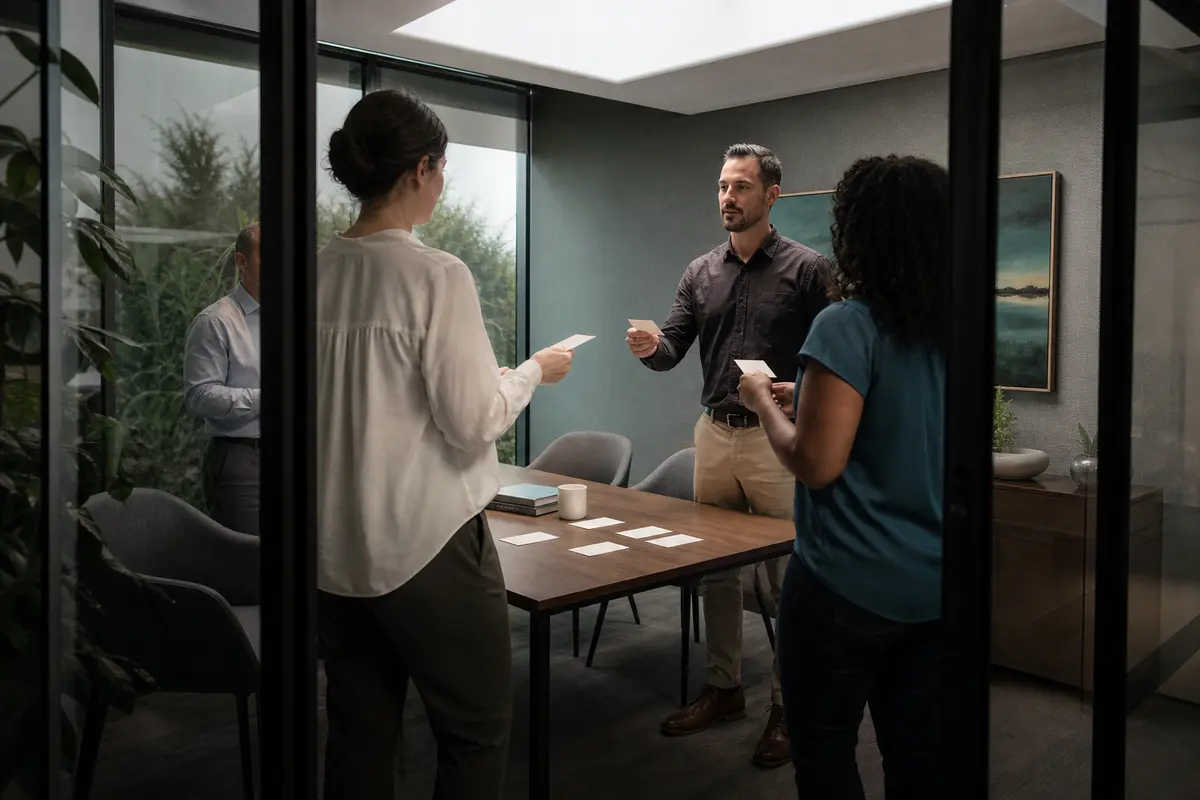
Editorial intake planning scene for AI Answering in Fitchburg, Massachusetts

Local analysis

Assess AI Answering against your actual routing rules, practice areas, escalation standards, accessibility needs, and follow-up measurement. Fitchburg’s 2020–2024 ACS 5-year population estimate is 41,798, with a margin of error of 32; that is geographic context, not evidence of call volume, legal demand, or revenue.

Use four questions to decide whether AI Answering belongs in your Fitchburg intake stack: Can your team answer every call it should? If not, is the fallback response appropriate? Does the resulting record contain enough information for a responsible next step? Can you measure follow-up without claiming outcomes the system cannot establish?

01

1. Start with the unanswered-call path, not the population estimate

Fitchburg is a municipality in Worcester County, Massachusetts. The city’s 2020–2024 ACS 5-year population estimate is 41,798, with a margin of error of 32. That fact can help define the service area you discuss with Bosseo, but it cannot tell you how many people call your firm, which practice areas they need, or whether your staff needs additional coverage. Review your own phone records instead: unanswered calls, after-hours calls, busy-line events, voicemail messages, and callbacks that lack enough information for triage. Bosseo’s public AI Answering page describes a team-first model. Calls go to your people first; the AI steps in when nobody answers within 20 seconds. It is presented as a backstop rather than a replacement for the front desk.

Recommended approach

Ask Bosseo to map your existing Fitchburg and Worcester County call flow before you decide. Confirm which calls should ring staff first, when unanswered calls should transfer to AI Answering, and who owns the next action after a summary arrives.

02

2. Define what a useful intake conversation must capture

An answer is only useful if it gives your firm enough information to decide what happens next. Bosseo describes AI Answering as greeting callers, capturing case details and contact information, and producing a transcript and case summary. Its public page also describes automatic classification as Potential New Client, Current Client, or Other, along with case-type tagging. Those capabilities create a review point for your firm: identify the minimum information required for each practice area, then determine whether the proposed conversation captures it clearly. Do not assume that one script fits every caller or every matter. A current client may need a different route from a prospective client, while an urgent inquiry may need faster human review.

Recommended approach

Bring representative intake requirements to the consultation and ask how your firm profile, practice areas, consultation process, and escalation preferences would be reflected. Decide which information is essential, which is useful for a callback, and which questions should never be handled as legal advice.

03

3. Use 24/7 coverage to examine timing and ownership

Bosseo presents coverage for nights, weekends, holidays, and overflow. It also describes summaries delivered seconds after a call ends. That timing may matter if your firm receives inquiries outside office hours, but the available Fitchburg population record does not establish when people call or whether your firm has an after-hours need. Measure that directly. Compare the time a call arrives with the time a qualified person reviews it, and distinguish a genuine prospective-client inquiry from a current-client request or another call type. A transcript does not, by itself, resolve responsibility. Your team still needs an owner, a callback standard, and a way to identify urgent matters.

Recommended approach

Review after-hours and weekend records by call type and decide who receives the first alert, who handles urgent escalation, and what happens when the assigned person is unavailable. Treat the coverage schedule and ownership rules as implementation decisions, not assumptions based on location.

04

4. Test overflow capacity against your real call patterns

Bosseo states that AI Answering can handle up to 20 simultaneous calls. The public page positions that capacity as protection against busy signals during a rush or marketing spike. Fitchburg’s population estimate does not establish that your firm experiences simultaneous calls, so capacity should be evaluated against your own records. Look for periods when callers encounter a busy line, abandoned calls, or voicemail while staff are already assisting someone. Also identify whether calls are distributed among practice areas or handled through one general line. The operational question is not simply how many calls a system can take; it is whether each call reaches the right next step and produces information your staff can act on.

Recommended approach

Ask Bosseo how simultaneous calls are classified, summarized, and delivered, and review what your team sees when several calls arrive together. Compare that behavior with your current phone system and case-management workflow before changing routing.

05

5. Make follow-up measurable without overstating outcomes

Bosseo describes a transcript, case summary, caller information, classification, and case-type tagging for each call. Its public page also connects call data with an ROI Dashboard and describes automatic delivery to inbox or case management. Those records can support a measurement plan, but they do not guarantee signed cases, revenue, rankings, or a particular conversion rate. Define the measures your firm can actually verify: answered versus unanswered calls, classification, callback status, consultation status, and eventual matter disposition where appropriate. Keep the geographic view precise. A Fitchburg call is not automatically a Worcester County call, and a local population estimate is not a measure of firm performance.

Recommended approach

Agree on a small set of review fields before implementation. Ask how your staff will correct classifications, record follow-up, and distinguish a completed intake from a retained matter. Treat any example calculations as arithmetic based on your own numbers, not as a forecast.

06

6. Review accessibility, privacy, and handoff boundaries

A law-firm answering system sits close to sensitive information. Bosseo’s public page says recordings, transcripts, and summaries are delivered to the firm and are not shared, sold, or used for anything else. It also says the system can answer practical questions about a firm’s profile, practice areas, office locations, hours, parking, and consultation process. Before purchase, review what information the system may provide, what it must avoid, how urgent matters are identified, and how callers can reach a person or leave a usable record. Accessibility is a decision to test with your actual callers and phone process; it should not be inferred from Fitchburg demographics or population.

Recommended approach

Use the consultation to review confidentiality language, retention and access questions, caller disclosures, escalation rules, and the boundary between practical information and legal advice. Test the experience with the firm’s own approved questions and escalation scenarios.

Implementation

Review AI Answering for your Fitchburg firm

Bring your current phone flow, approved practice-area questions, escalation rules, and available call records to a consultation with Bosseo. The booking destination is calendar.bosseo.com. Use the discussion to confirm scope rather than assuming that a product description resolves your firm’s operational or confidentiality requirements.

  1. 011. Audit the current phone record Separate unanswered calls, after-hours calls, busy-line events, voicemail messages, and known current-client calls. Use your own records rather than the Fitchburg population estimate to decide whether missed-call coverage is a priority.
  2. 022. Specify the approved response Document which calls should ring your team first, when the AI should answer, what information it may collect, what practical questions it may address, and which situations require human escalation.
  3. 033. Review delivery and accountability Confirm whether transcripts, summaries, caller information, classifications, and tags can reach the inbox or case-management destination your firm intends to use. Assign responsibility for review and callback.
  4. 044. Set the measurement boundary Choose the fields you will inspect over time, such as answer status, classification, callback status, consultation status, and matter disposition. Keep measured results separate from product capabilities and do not treat a population estimate as a performance baseline.

Questions

AI Answering in Fitchburg

Does AI Answering replace our front desk?+

Bosseo’s public page describes a team-first model. Calls ring your people first, and the AI steps in when nobody answers within 20 seconds. Review your own routing rules with Bosseo to confirm how that backstop would work for your firm.

What happens after the AI answers?+

The public product description says the caller is greeted and guided through the situation, including case details and contact information. It also describes a full transcript, case summary, caller information, and classification delivered to your inbox or case management system.

How many simultaneous calls can it handle?+

Bosseo states that AI Answering handles up to 20 simultaneous calls. Ask how those calls are classified and delivered in your specific phone and case-management setup; do not assume that capacity reflects your firm’s actual need.

Can it answer questions about our Fitchburg firm?+

Bosseo says the system can be configured with a firm profile, practice areas, office locations, hours, parking, and consultation process. Review the information you want included and the questions that should be escalated to your team.

How should we handle urgent inquiries?+

Define your firm’s urgency criteria and owner before implementation. Bosseo describes summaries and classifications that can help surface information, but your firm must decide who reviews an urgent record, how quickly, and what response is appropriate.

What should we measure before deciding?+

Start with your own unanswered-call, after-hours, busy-line, callback, and consultation records. Then agree how to review answered calls, classifications, transcripts, follow-up, and matter disposition. The Fitchburg population estimate is geographic context, not a demand or revenue forecast.

Next step

See whether missed-call coverage fits your intake process

Book a consultation with Bosseo to review your unanswered-call path, firm profile, escalation rules, transcript delivery, and measurement approach for a law firm serving Fitchburg and Worcester County. Bring your own phone records and questions so the decision rests on your workflow—not on assumptions about local demand.

Book a consultation at calendar.bosseo.com ↗
Sources and scope