Skip to content

Plano / Illinois

AI Answering for Plano law firms.

A caller who reaches voicemail may not explain what happened or try again. Bosseo AI Answering is designed to give missed calls a clear next step while keeping your team first in the call flow. Every call goes to your people first; when nobody answers within 20 seconds, the AI can step in, capture the caller’s information and deliver a transcript and summary to your inbox or case management system.

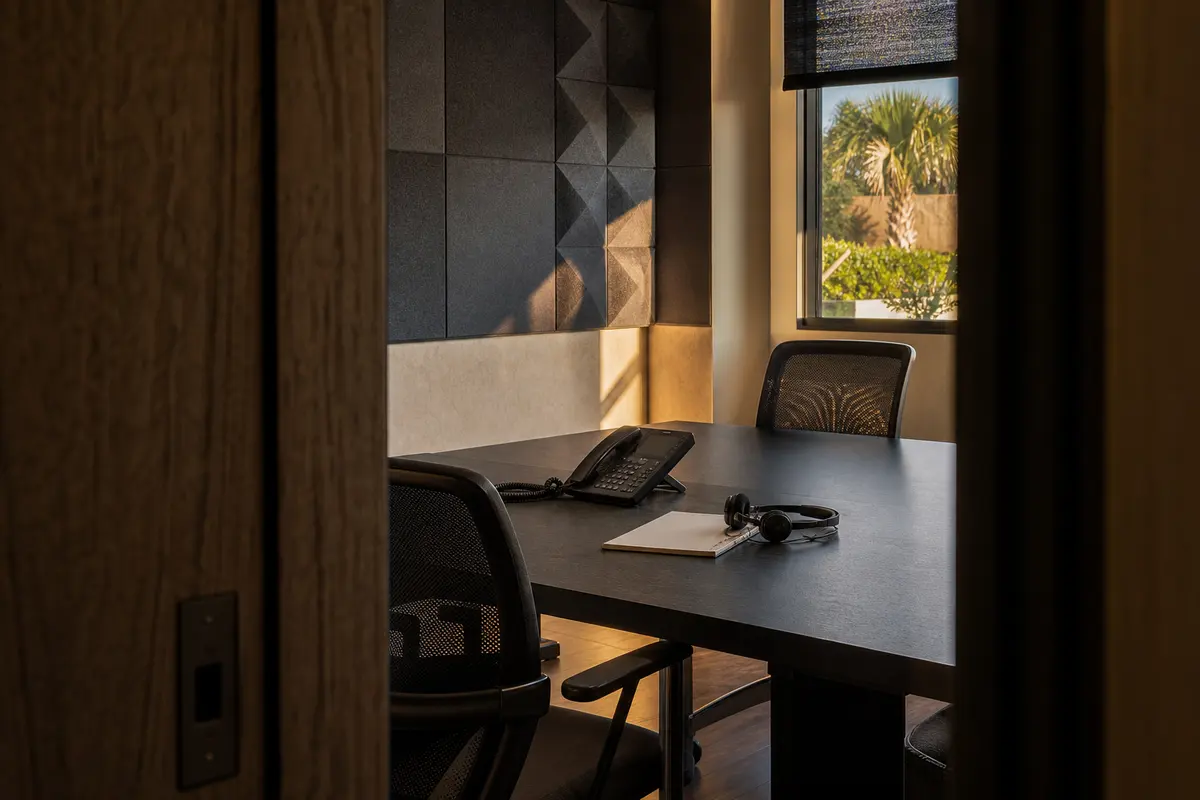
Editorial intake planning scene for AI Answering in Plano, Illinois

Local analysis

Plano is a municipality in Kendall County, Illinois. The 2020–2024 ACS 5-year population estimate for Plano city is 12,203, with a margin of error of 722. That fact establishes the geographic setting, not call demand, legal need, staffing requirements or likely revenue. Your decision should come from reviewing your own unanswered calls, hours of coverage, practice-area priorities, escalation rules and follow-up records.

Evaluate AI Answering through four decisions: coverage, capture, ownership and measurement. A good fit depends on your firm’s records and operating rules, not on a population estimate or an assumed level of legal demand.

01

1. Start with your actual unanswered-call pattern

Population cannot tell you how many prospective clients call your firm, when they call or how often a caller leaves a message. For a Plano firm, the useful evidence is inside your own phone records: unanswered calls, busy signals, after-hours attempts, weekend calls and calls that never received a documented response. Bosseo’s public AI Answering description focuses on coverage when your team cannot answer, including nights, weekends, holidays and overflow. That makes your call history more useful than a population-based estimate when deciding whether a safety net is relevant.

Recommended approach

Review a representative period of phone records and separate calls by answered, missed, voicemail, after-hours and overflow status. Then decide which unanswered categories deserve an AI response and which should continue to follow a different path.

02

2. Keep your team first and define the handoff

Bosseo describes a team-first routing model: calls ring your people first, and the AI steps in when nobody answers within 20 seconds. This distinction matters if you want assistance without changing the first experience for callers who reach your staff. It also gives you a concrete implementation question: which calls should forward to AI, and what should happen when a lawyer or intake team member is unavailable for a time-sensitive matter?

Recommended approach

Write the routing rule before booking a review. Include office hours, lunch coverage, holidays, overflow conditions and an owner for urgent callbacks. Confirm how the proposed handoff fits your current phone system and internal responsibility structure rather than assuming every call should follow one path.

03

3. Decide what information a Plano caller must provide

The product page says AI Answering can guide a caller through the situation, capture case details and contact information, and provide a transcript and case summary. It also describes classification as Potential New Client, Current Client or Other, with case-type tagging. Those capabilities are useful only when the information collected supports your firm’s next decision. A caller’s municipality does not determine the right intake questions; your practice areas and review rules do.

Recommended approach

List the minimum information your team needs to decide whether to call back, route the matter, request more information or decline it. Review questions for clarity, accessibility and legal-risk boundaries. Do not ask the system to give legal advice or make a representation decision unless that scope has been expressly reviewed with Bosseo and your firm.

04

4. Make urgent-call ownership explicit

An automated summary can make a conversation easier to review, but it does not itself establish who is responsible for the next action. Bosseo says calls are classified and that caller information, transcripts and summaries can be delivered to an inbox or case management system. For a law firm serving Plano and the surrounding Kendall County context, the important decision is whether urgency, practice area and current-client status change callback priority.

Recommended approach

Create an ownership table for Potential New Client, Current Client and Other calls. For each category, name the reviewing role, the escalation path and the record where the next action belongs. Ask how urgent language is surfaced and how your team should confirm that a callback was completed.

05

5. Use transcripts and summaries as review records

Bosseo describes a full transcript, case summary and caller information after each call, delivered to an inbox or case management system. These records can help your firm compare what a caller said with what your intake team received and identify missing information. They should not be treated as proof that a caller is qualified, that a matter is conflict-free or that a case will become a client.

Recommended approach

Choose who reviews summaries, how corrections are recorded and which fields must be checked before a lawyer responds. Include a privacy and confidentiality review for recordings, transcripts, summaries and access permissions. Confirm retention, delivery and security terms directly during consultation; do not rely on an assumption about them.

06

6. Measure response quality without inventing a result

The public page describes case-type tagging, delivery to an inbox or case management system, and an Intake Coach that analyzes calls and provides feedback on missed questions, tone and lost conversions. It does not establish what your firm will gain, how many callers will retain you or whether a particular measurement setup is available for your systems. Google also states that automation does not guarantee crawling, indexing or search visibility; that search guidance is separate from the phone decision.

Recommended approach

Agree on measures before implementation: answered versus unanswered calls, summary delivery, callback ownership, completed follow-up, classification accuracy and documented disposition. Compare those records with your existing baseline. Treat any improvement as something to measure, not a promised outcome.

Implementation

Use the consultation to make a phone decision

A Bosseo consultation can help you examine the product against your firm’s real call paths. Bring concrete questions and ask for clear boundaries around configuration, delivery, security, ownership and measurement.

  1. 011. Bring phone evidence Bring unanswered-call records, office hours, holiday coverage, voicemail rules and any known overflow conditions. Separate measured facts from impressions about why callers did not connect.
  2. 022. Define the permitted intake path Identify practice areas, required contact details, current-client routing, urgent-call handling and questions the AI should not answer. Ask Bosseo how your proposed scope would be configured.
  3. 033. Confirm delivery and ownership Review where transcripts, summaries, caller details and classifications would go, who sees them and who owns the callback. Confirm technical and confidentiality terms directly rather than assuming compatibility or retention practices.
  4. 044. Set a review period Choose a period for comparing your baseline with the resulting records. Examine answer status, summary completeness, classification, callback completion and disposition; do not substitute population or marketing claims for phone data.

Questions

AI Answering in Plano

Does AI Answering replace our front desk?+

Bosseo’s public page describes it as a backstop: calls go to your team first, and the AI steps in when nobody answers within 20 seconds. Confirm the routing behavior and exceptions for your phone system during consultation.

What does the system provide after a call?+

Bosseo describes a full transcript, case summary and caller information delivered to your inbox or case management system. Confirm the destination, access controls, retention and any technical requirements for your firm.

Can it handle simultaneous calls?+

Bosseo’s public page states that the system can handle up to 20 simultaneous calls. Ask whether that stated capacity fits your configuration and how overflow is handled in your specific setup.

How are calls classified?+

The page describes three classifications: Potential New Client, Current Client and Other. It also describes case-type tagging. Your firm should define how staff review classifications and correct them when necessary.

Can the system handle urgent legal matters?+

It can capture and summarize caller information, but your firm must define what counts as urgent, who reviews it and how escalation occurs. Do not treat an automated summary as legal advice, conflict clearance or a substitute for professional review.

What should a Plano firm prepare before a consultation?+

Prepare your phone routing, unanswered-call records, hours, practice areas, approved intake questions, callback ownership and desired measurements. Plano is in Kendall County, but geography alone does not establish your call pattern or staffing need.

Next step

Review your Plano firm’s unanswered-call path

Book a consultation with Bosseo to examine AI Answering against your phone records, intake questions, escalation rules and follow-up responsibilities. The discussion should help you decide what to route, what to capture and what to measure before you proceed.

Book a consultation at calendar.bosseo.com ↗
Sources and scope