Skip to content

Alameda / California

Video Intake for Alameda law firms.

A visitor who reaches your Alameda law firm’s website may not know how to describe a legal problem in a blank form. Bosseo Video Intake replaces that open text box with a guided video survey on your website. The flow can be organized around your practice areas and used to evaluate case type, urgency and fit before an inquiry reaches your team. For a firm serving Alameda city and Alameda County, the useful question is not whether the city’s population proves demand. The Census records Alameda as a municipality with an estimated 77,238 residents in the 2020–2024 ACS five-year data, with a margin of error of 40. That figure is context, not evidence of leads, cases or revenue. The practical decision is whether your intake path asks the questions your firm needs, directs the right inquiries to the right owner and gives you a way to review what happens next.

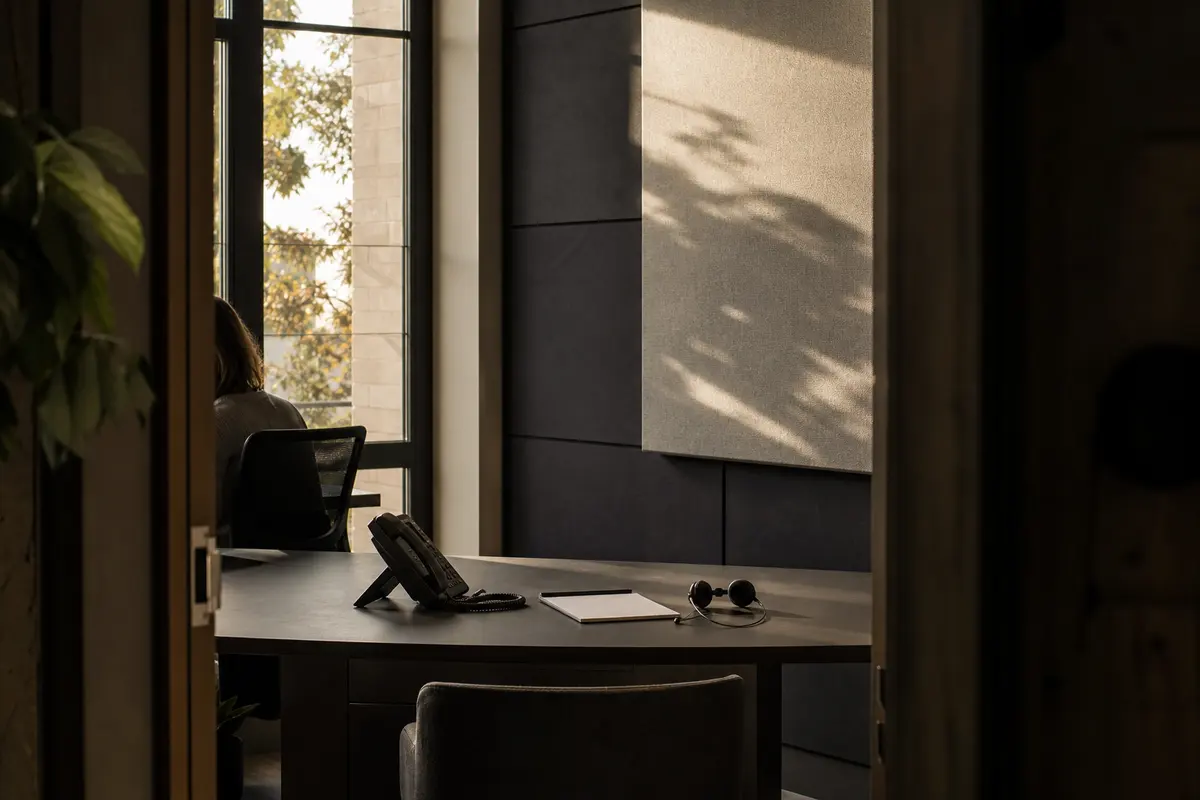
Editorial intake planning scene for Video Intake in Alameda, California

Local analysis

Use the consultation to decide whether a guided video path fits your Alameda service area, practice areas, qualification rules, accessibility needs, ownership model and follow-up process. Bosseo publicly describes Video Intake as a website-embedded guided survey that can qualify inquiries by case type, urgency and fit, with completed intakes delivered to the team and optional connections through Bosseo’s broader ecosystem.

A sound Video Intake decision has four tests: geographic fit, question quality, operational ownership and reviewability. Use the Alameda city and Alameda County distinction to define scope, not to imply demand. Use Bosseo’s stated capabilities as questions for implementation, not as a guarantee of outcomes. Then decide whether the proposed experience gives your team clearer information without creating an unmanaged exception queue.

01

1. Set the service area before you set the questions

Alameda city is a municipality recorded in Alameda County. That geographic relationship matters because an Alameda-focused intake should not quietly treat city residents, countywide visitors and every California inquiry as the same audience. Population can establish the size of the named municipality for planning context, but it cannot establish legal demand or tell you which matters your firm should accept. Decide whether the intake is intended for Alameda city, the wider county, or another service boundary your firm already uses. Then identify which location facts are genuinely relevant to screening a matter. A visitor’s address may matter for venue, jurisdiction, office ownership or referral—not because geography alone proves qualification.

Recommended approach

Bring your actual service-area rules to the review. Ask Bosseo to show how a guided path could distinguish an Alameda inquiry from a broader Alameda County inquiry and what should happen when location is unclear. Keep the location question narrowly tied to an intake decision, and do not use the Census population estimate as a forecast of submissions or signed matters.

02

2. Replace the blank form with a deliberate video path

Bosseo describes Video Intake as a guided video survey that lives on a law-firm website. Visitors answer one question at a time, and each practice area can have its own question path. That is a different operating choice from asking someone to summarize a legal problem in a single text field. For an Alameda firm, the relevant test is whether the path reflects the matters you actually review in the city and county rather than presenting a generic statewide questionnaire. A useful flow should make the next question depend on the answer when the product supports that structure, while keeping the visitor’s task understandable.

Recommended approach

Map each practice area to the minimum facts your team needs before a consultation. Review the opening video, wording, order of questions and stopping points with Bosseo. Test the experience on a phone as well as a desktop; Bosseo states that the widget is built mobile-first. Do not add questions merely because they are available. Each question should change routing, qualification, preparation or follow-up.

03

3. Define qualification without turning it into an unsupported promise

The public Video Intake page says the survey can qualify by case type, urgency and fit, and that flows can be weighted toward the high-value work a firm wants to grow. It also describes screening for price-sensitive or low-fit inquiries. Those capabilities do not decide your firm’s legal standards for acceptance, and they do not guarantee a case result. Your team still needs to define what an answer means, who reviews exceptions and what happens when the information is incomplete. The Alameda context should influence the scope you choose: a city-specific path may require different ownership or escalation from a countywide path.

Recommended approach

Write an internal qualification rule for every practice-area path before implementation. Separate factual intake questions from legal advice, mark urgent situations for human review, and specify which answers can decline an inquiry versus which require follow-up. Ask Bosseo how weighting, tagging and delivery would represent those decisions. Treat the resulting flow as an intake aid, not a substitute for attorney judgment.

04

4. Make ownership and escalation explicit

A completed video intake is useful only when someone knows what to do with it. Bosseo states that completed inquiries can arrive with answers attached and tagged by case type, and that its ecosystem can support follow-up automation. The page also presents related products for callers and intake-call review. Those statements describe possible product connections, not a reason to assume your firm’s staffing, response coverage or current systems. Alameda’s population estimate cannot establish how many inquiries you receive or whether you need additional staff.

Recommended approach

Assign an owner for each case type and define an exception path for uncertain location, urgent facts, conflicts, incomplete answers and matters outside the firm’s scope. Decide which events require a person, which may receive an automated acknowledgment and which should be routed elsewhere. Confirm the actual destination, permissions and review responsibilities during the consultation rather than assuming an integration or service level.

05

5. Review accessibility and visitor confidence

Video changes the interaction from a silent form to a guided experience. That can give a hesitant visitor more structure, but it also makes accessibility, privacy language and alternative paths important implementation questions. Bosseo describes a video-guided, mobile-first widget; the public page does not establish every accessibility option, legal notice or accommodation your firm may require. Neither the Census estimate nor the city’s county relationship proves language preference, device behavior or a need for any particular accommodation.

Recommended approach

Ask to review captions, keyboard operation, contrast, readable text, audio dependence, mobile behavior, consent language and a non-video alternative. Keep the first screen clear about what the intake does and does not do. Evaluate the complete experience with representative Alameda and Alameda County service-area scenarios, without inferring demographic or language needs from population data.

06

6. Measure the intake decision, not an imaginary market

Bosseo describes instant delivery, case-type tagging and follow-up automation as part of the Video Intake system. Those features can support review of what visitors submit and where inquiries go. They do not prove that more people will complete an intake, that a matter will be accepted or that a page will rank. Google’s guidance says automated or scaled content does not guarantee crawling, indexing or search visibility; the same discipline applies here: measure the actual intake experience instead of relying on a forecast. Alameda’s 77,238-person estimate is eligibility context only, not a conversion baseline.

Recommended approach

Agree on review questions before launch: which paths visitors start, where they stop, whether answers are complete, whether routing is accurate, how quickly an owner responds and which inquiries become consultations or referrals. Keep city and county labels distinct in reporting. Review results with the firm’s own records and legal standards; do not convert population into an assumed lead rate or revenue model.

Implementation

What to bring to a Bosseo Video Intake consultation

A focused review is more useful when your firm brings its existing intake rules instead of starting with assumptions about the local market.

  1. 011. Bring your real boundaries and practice areas List the locations you serve, the matters you review and the matters you refer. State whether Alameda city and Alameda County should follow the same path or different paths.
  2. 022. Approve questions and decisions For each practice area, identify the facts needed for an initial review. Pair each important answer with an owner, an escalation rule or a follow-up action.
  3. 033. Review the visitor experience Walk through the guided video survey on mobile and desktop. Check wording, clarity, consent language, accessibility questions and the availability of an alternative route.
  4. 044. Establish review before relying on the flow Decide how your team will examine completion, answer quality, routing accuracy, response handling and later consultation outcomes. Use actual firm records rather than population-based assumptions.

Questions

Video Intake in Alameda

What is Bosseo Video Intake?+

Bosseo describes it as a guided video survey embedded on a law-firm website. A visitor answers questions one at a time, with paths organized around practice areas and qualification based on case type, urgency and fit.

Can the intake distinguish Alameda city from Alameda County?+

That should be settled in the consultation and implementation scope. Alameda city is a municipality in Alameda County, and your firm should decide which geographic distinctions affect qualification, ownership or referral. Do not assume a location rule that has not been reviewed.

Can we decide which questions visitors see?+

Bosseo’s public page says flows are built with the firm, practice area by practice area. Bring your required facts and decision rules to the review so the proposed paths can be evaluated against your intake standards.

Where does a completed intake go?+

Bosseo states that completed inquiries can be delivered to the team with answers attached and tagged by case type. The public page also describes delivery to an inbox, CRM and case-management tools within the broader ecosystem. Confirm the destination, permissions and routing applicable to your firm.

Does Video Intake replace an attorney or intake decision?+

No conclusion about representation should be automated solely from a visitor’s answers. Use the flow to collect and organize information, then define human ownership for urgent, incomplete, uncertain or potentially conflicting matters.

What should we measure after implementation?+

Review where visitors start and stop, whether answers are complete, whether case-type routing is accurate, how exceptions are handled and what later consultation decisions show. Do not treat Alameda’s population estimate as a lead or revenue forecast.

Next step

Review Video Intake for your Alameda firm

Book a consultation with Bosseo to examine how a guided video path could fit your Alameda service boundary, practice areas and intake decisions. Bring your qualification rules, ownership questions and preferred delivery destination. The consultation is the place to confirm scope and distinguish supported capabilities from items that require review.

Book a Bosseo consultation ↗
Sources and scope