Skip to content

Corona de Tucson / Arizona

AI Answering for Corona de Tucson law firms.

A caller from Corona de Tucson may reach your firm outside office hours, during a busy period or while every line is occupied. Bosseo AI Answering is designed to give that caller a clear next step: your team receives the call first, and the AI can answer when nobody picks up within 20 seconds. It captures the caller’s information and situation, then provides a transcript, case summary and classification for your follow-up.

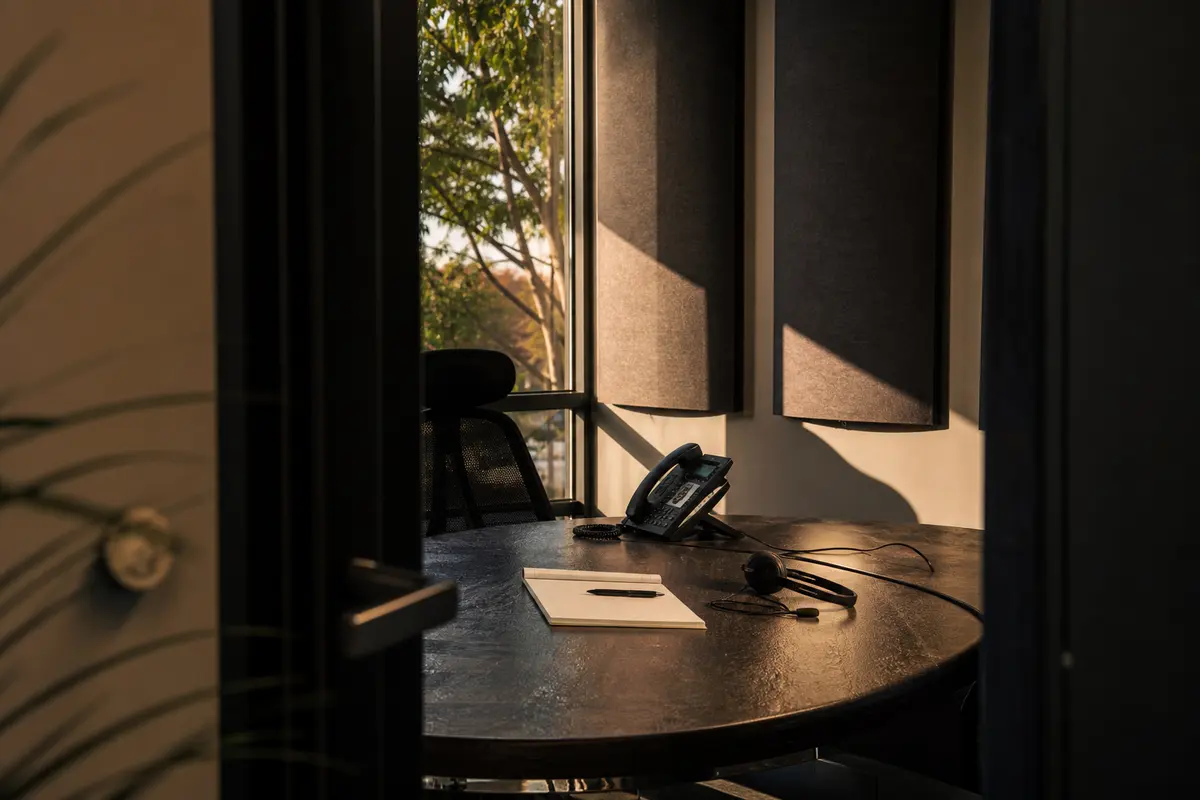
Editorial intake planning scene for AI Answering in Corona de Tucson, Arizona

Local analysis

The right evaluation is not whether every caller should speak with AI. It is whether your firm has a clear, reviewable path for unanswered calls from Corona de Tucson and elsewhere in Pima County: who answers first, what the system asks, which matters escalate, where summaries go and how your team measures the result.

Use this decision framework to determine whether Bosseo AI Answering fits your firm’s operating choices. A fit requires more than interest in answering every call; it requires agreement on routing, information, ownership and review.

01

1. Start with the geography, not a guessed call forecast

Corona de Tucson is recorded as a census-designated place in Pima County, Arizona. The 2020–2024 American Community Survey 5-year estimate records 9,566 people, with a margin of error of 770. That is geographic context for deciding whether Corona de Tucson belongs in your service and intake review; it does not establish call demand, legal need, competition, language preference, lead volume or revenue.

Recommended approach

Use Corona de Tucson and Pima County as explicit routing and reporting questions. Review whether callers identify the community, whether your firm serves matters connected to it, and whether the same intake path should apply to callers elsewhere in your service area. Do not set staffing or capacity assumptions from the population estimate alone.

02

2. Make the team-first handoff explicit

Bosseo’s public AI Answering page describes a team-first arrangement: calls go to your front desk first, and the AI steps in when nobody answers within 20 seconds. This positions the system as a safety net rather than a replacement for your staff. That distinction matters when your firm wants callers to reach a person whenever the team is available while still defining what happens after an unanswered call.

Recommended approach

Before booking, map your current phone behavior for new inquiries, current clients and other callers. Decide which unanswered calls should reach AI Answering, who owns the callback, and whether an urgent matter needs a different escalation path. Ask how the 20-second handoff should fit your existing phone rules.

03

3. Define qualification around practice and urgency

The service description says the AI guides callers through their situation and captures case type, timeline and contact details. It also describes automatic classification as Potential New Client, Current Client or Other, with case-type tagging. Those categories can give your team a consistent starting point, but your firm must determine which questions are appropriate for its practices and what requires attorney review.

Recommended approach

Prepare a short qualification outline for each practice area you want to evaluate. Include the facts your team needs for a callback, the circumstances that should be treated as urgent, and questions the system should not answer beyond your approved firm information. Review whether a Corona de Tucson caller should receive the same qualification path as any other caller or a distinct service-area check.

04

4. Treat summaries as an ownership decision

Bosseo states that each call can produce a full transcript, case summary and caller information delivered to your inbox or case-management system. It also states that calls are classified and that caller details, transcripts and tags can flow into a CRM and case management without retyping. The useful question is not simply whether data exists; it is who reviews it, when and what happens next.

Recommended approach

Assign responsibility for reviewing summaries and returning calls. Decide how your team distinguishes a new inquiry tied to Corona de Tucson from a current-client request, and how it records the result. Confirm the destination your firm uses, the information it needs and the handling rules that apply to confidential caller communications.

05

5. Plan for simultaneous and after-hours conditions

The Bosseo page describes 24/7 coverage, including nights, weekends and holidays, and says the system can handle up to 20 simultaneous calls. These are stated product capabilities, not evidence that your firm receives calls at those times or in that quantity. They are relevant when you evaluate overflow, busy lines and periods when your staff is unavailable.

Recommended approach

Review your real operating conditions rather than adopting generic assumptions. List office hours, lunch coverage, holidays, court-related absences and known overflow points. Then ask Bosseo how your routing should behave in each condition and how the team can identify an after-hours inquiry connected to Corona de Tucson or another part of Pima County.

06

6. Measure response quality without promising an outcome

Bosseo describes transcripts, summaries, classification and an Intake Coach that analyzes intake calls and provides feedback on missed questions, tone and lost conversions. It also describes case-type tagging and an ROI Dashboard elsewhere in its product ecosystem. These tools can support review, but they do not guarantee that a caller will retain the firm, that search visibility will increase or that revenue will result.

Recommended approach

Choose measures your firm can actually inspect: answer-path status, completeness of required details, callback ownership, urgency handling, classification accuracy and the disposition of each reviewed inquiry. Compare results by call period or service area only after defining consistent rules. Treat any local comparison as an internal measurement choice, not proof of demand in Corona de Tucson.

Implementation

Questions to resolve in your consultation

Bring your current phone rules and ask Bosseo to connect the product description to your firm’s specific call paths. Keep local scope precise: Corona de Tucson is a CDP in Pima County, not a synonym for the entire county or metropolitan area.

  1. 011. Inventory your present call paths List the numbers, hours, staff destinations and voicemail rules that affect callers. Mark where a caller can encounter an unanswered ring, busy line or after-hours message. Include the path for current clients as well as new inquiries.
  2. 022. Write the firm profile and boundaries Prepare the practice areas, office information, hours, consultation process and other practical details you want reviewed. Separate approved general information from questions that should be returned to your team rather than answered automatically.
  3. 033. Assign review and escalation ownership Name the role responsible for reading summaries, checking urgent details, returning calls and recording dispositions. Decide whether the same person handles Corona de Tucson inquiries and other Pima County callers or whether service-area review changes ownership.
  4. 044. Book a product-specific consultation Use the consultation to review routing, qualification, classification, destination, simultaneous-call handling, coaching and measurement. Ask which stated capabilities fit your phone setup and which implementation details require confirmation for your firm.

Questions

AI Answering in Corona de Tucson

Does AI Answering replace our front desk?+

Bosseo’s public page describes it as a backstop. Your team receives the first ring, and the AI steps in when nobody answers within 20 seconds. Confirm how that rule would fit your current phone configuration.

What does the system capture?+

The public product description says it guides callers through their situation and captures case type, timeline and contact details. It also describes a transcript, case summary and caller information after the call.

How are calls classified?+

Bosseo describes three classifications: Potential New Client, Current Client or Other. The page also describes case-type tagging. Your firm should decide which tags and review rules are useful for its practices.

Where do post-call details go?+

Bosseo says transcripts, summaries and caller information can be delivered to your inbox or case-management system, and describes automatic CRM delivery. Ask which destination and configuration apply to your firm.

Can the system handle after-hours and busy periods?+

Bosseo describes 24/7 coverage, including nights, weekends and holidays, and says the system handles up to 20 simultaneous calls. These capabilities do not establish that your firm has demand at those times, so review your actual routing needs.

How should we evaluate whether it is working?+

Review whether calls follow the intended path, whether required details are captured, whether classification is useful, whether ownership is clear and whether callbacks receive documented dispositions. Do not treat population data or product capabilities as proof of leads, cases or revenue.

Next step

Review your Corona de Tucson call path with Bosseo

Book a consultation through calendar.bosseo.com to examine how AI Answering could fit your firm’s unanswered-call, after-hours and overflow rules. Bring your practice areas, phone routing and service-area decisions so the discussion stays grounded in the calls your team is responsible for handling.

Book an AI Answering consultation ↗
Sources and scope